Post-operative rehabilitation
Undergoing surgery can be a stressful and challenging thing, especially for children. Parents often have many anxious questions, especially a very important one: What happens after surgery? What are the important steps we need to take to help children recover and regain their health? In this article, we answer this question and many others.
First: What are the pediatric surgeries that may require rehabilitation after them?
There are many operations that children may need after motor rehabilitation to restore normal movement and function, and treat the effects of surgical operations, including:
Congenital defect correction operations
such as cleft palate correction surgery, and congenital heart defect correction surgery.
Orthopedic and joint operations
such as surgery to correct deformed bones, and joint implants.
Digestive system operations
such as appendectomy surgery, and surgery to remove digestive tumors.
Respiratory system operations
such as surgery to correct severe spinal curvatures that affect breathing, and implant a ventilation catheter.
Urological system operations
such as surgery to correct urinary obstructions, and implant valves in the kidneys.
Nervous system operations
such as surgery to remove nerve tumors, and surgery to correct spinal cord deformities.
Musculoskeletal and skeletal system operations
such as tendon graft surgery, and muscle reconstruction after severe injuries
Circulatory system operations
Second: How does physical therapy contribute to achieving post-operative rehabilitation?
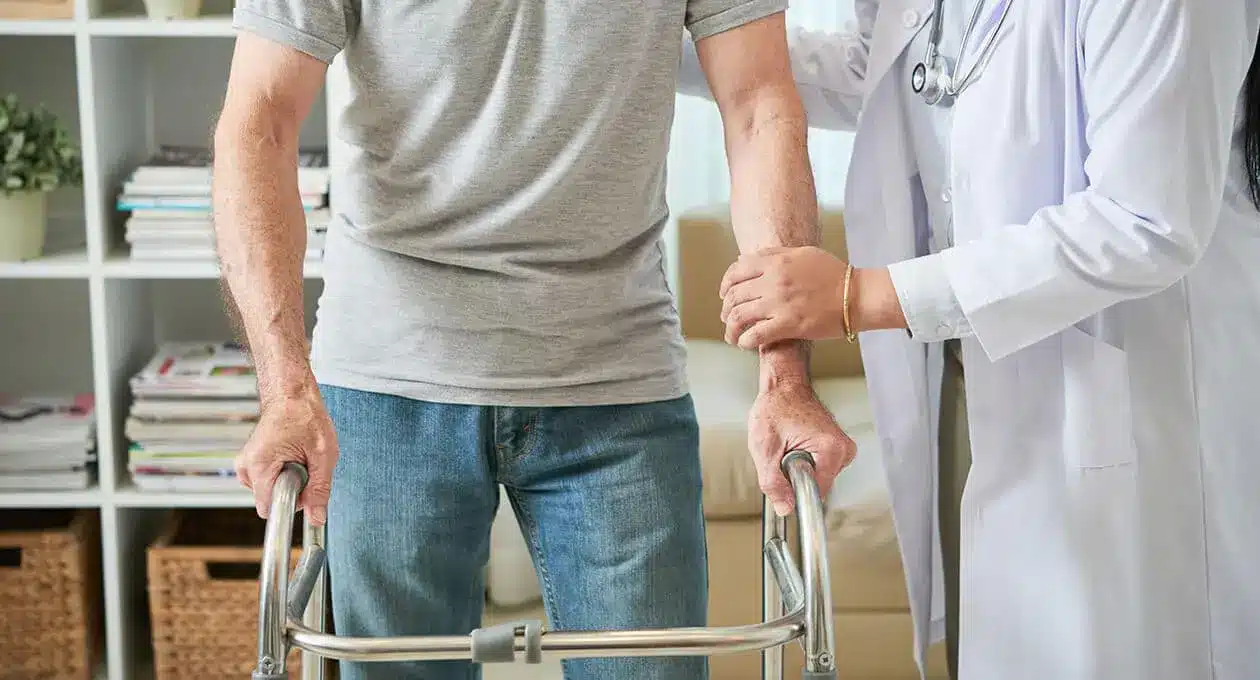
After children undergo surgery, physical therapy comes to remove the effects of the surgical operations, and to assist in the process of motor rehabilitation and recovery.
At Therapy stages Center, we realize the importance of providing specialized care and support to children and their families during this critical stage, and for this reason we present to you the most prominent ways in which physical therapy contributes to achieving post-operative motor rehabilitation:
Reducing pain and swelling:
Reducing pain and swelling are among the most important priorities of physical therapy after surgery to remove the effects of surgical operations. Through specialized techniques such as fiber exercises and movement exercises, and by relying on motor rehabilitation devices, physical therapy helps improve blood circulation and reduce pain and swelling associated with surgery.
Restoring movement and strength:
After surgery, children may face difficulty in regaining movement and strength in the affected limbs.
Through physical therapy techniques and by relying on motor rehabilitation devices, we help children strengthen the affected muscles and increase flexibility and movement in the adjacent limbs, which helps in motor rehabilitation in a natural and effective way.
Improving balance and coordination:
Promoting independence in daily life:
Physical therapy techniques help enhance children’s independence in performing daily activities such as bathing, dressing and feeding. Assistive techniques and tools are also provided to facilitate children’s daily life and enhance their quality of life.
Family support and communication:
Contact us
At Therapy Stages Center, our specialized team has extensive experience in treating post-operative rehabilitation for children. In addition, we are committed to providing specialized and comprehensive care to achieve successful post-operative rehabilitation for children.